Neutralizing Odor Compounds Where They Hide
Smoke Damage Cleanup in Williamstown for odor elimination, soot removal, and HVAC decontamination after fire events
Smoke odor embeds in plaster, insulation, and HVAC systems in older South Jersey housing stock in ways that surface cleaning alone will never resolve. Sure Kleen Restoration uses thermal fogging and hydroxyl generators to eliminate smoke compounds at the molecular level rather than masking odors with deodorizer spray, treating the air handlers and ductwork where smoke particles circulate through living spaces long after visible soot is wiped away. HVAC ducts and air handlers are cleaned as part of full-scope smoke claims, preventing contaminated airflow from reintroducing odor weeks after the initial cleanup appears complete.
Kitchen fires and neighboring structure events in Cherry Hill, Deptford, and Blackwood create smoke infiltration that travels through wall cavities and returns to occupied spaces when temperature changes cause air movement inside concealed spaces. Molecular-level treatment neutralizes these compounds rather than covering them temporarily.
Arrange an odor assessment to identify smoke penetration zones and contaminated HVAC components.
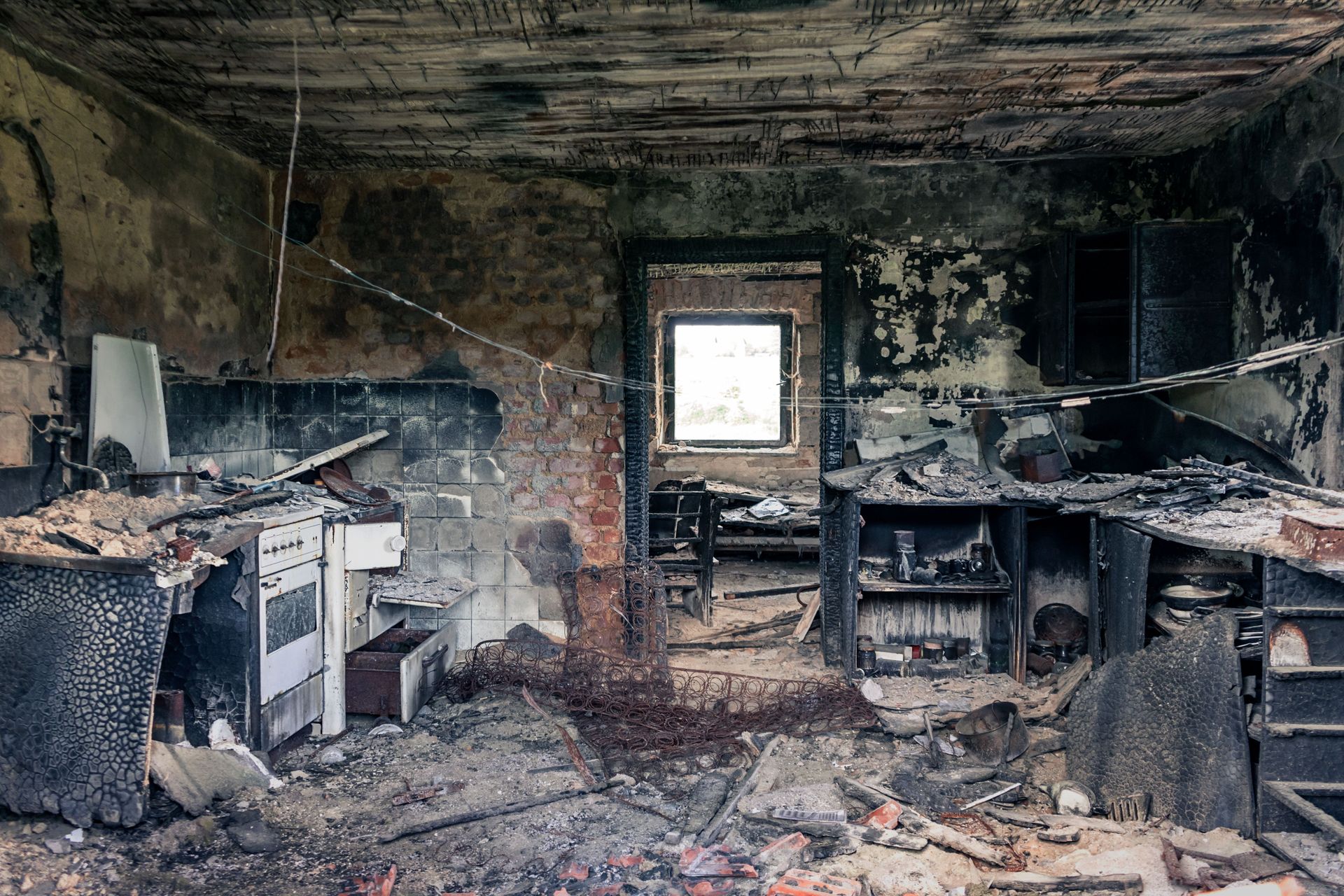
The Difference Between Masking and Neutralization
Thermal fogging disperses neutralizing agents in particle sizes small enough to penetrate the same porous materials where smoke compounds have settled, breaking down odor molecules inside wood, drywall, and insulation rather than coating surfaces with fragrance. Hydroxyl generators produce oxidizing molecules that bond with smoke compounds and render them odorless through chemical reaction, a process that continues working even after equipment is removed. HVAC cleaning removes soot deposits from ductwork, coils, and blower assemblies that would otherwise recirculate smoke particles every time the system cycles.
After molecular-level odor elimination completes, you notice air quality that remains neutral without smoke smell returning during temperature changes or when the HVAC system runs, surfaces that stay clean without oily residue reappearing on walls and ceilings, and living spaces that feel habitable again without constant reminders of the fire event. Documented before and after process records provide insurance adjusters with the detail needed to approve full-scope smoke cleanup rather than surface-only work.
Licensed in Pennsylvania, New Jersey, and Delaware, the company operates as a Google-certified crisis responder with availability for emergency smoke cleanup after fire loss. The process goes deeper than visible surfaces into wall cavities, duct systems, and concealed spaces where smoke truly hides.
What People Want to Know About Smoke Cleanup
Smoke damage questions come up frequently after kitchen fires, electrical failures, and neighboring property events that introduce odor without direct flame contact.
How does thermal fogging work differently than air freshener or deodorizer spray?
Thermal fogging uses heat to create micron-sized particles that penetrate porous materials where smoke compounds have settled, neutralizing odor molecules inside the material rather than masking smell with fragrance on the surface.
Why does smoke odor return weeks after the initial cleaning appears successful?
Smoke particles trapped inside wall cavities, insulation, and HVAC ductwork continue releasing odor compounds when air movement or temperature changes occur, especially if those areas were not treated during surface-only cleanup.
What happens during HVAC cleaning as part of smoke damage restoration in Williamstown?
Ductwork is vacuumed with HEPA equipment, air handlers and blower assemblies are decontaminated, and coils are cleaned to remove soot deposits that would otherwise recirculate smoke particles through living spaces every time the system runs.
How long does molecular-level odor elimination take to complete?
Timelines depend on smoke penetration depth and HVAC system complexity, but hydroxyl treatment typically runs for several days to allow oxidizing molecules to bond with and neutralize smoke compounds throughout affected materials.
What documentation does the insurance company require for smoke damage claims?
Adjusters need intake photos showing soot distribution, scope reports detailing affected materials and HVAC components, treatment logs documenting fogging and hydroxyl processes, and clearance confirmation that odor has been eliminated rather than masked.
Sure Kleen Restoration has operated in South Jersey since 2012, working with all insurance companies to document smoke claims and coordinate coverage for comprehensive cleanup that addresses odor sources rather than symptoms. Request a smoke penetration assessment to begin the molecular-level elimination process with documented accountability.